
Introduction
Manipulative therapy is a hands-on therapeutic approach aimed at restoring structural balance, improving mobility, and enhancing the body’s natural healing mechanisms. It is based on the principle that proper alignment and coordinated movement of muscles, joints, fascia, and connective tissues are essential for optimal physiological function.
This therapy goes beyond symptomatic relief by addressing underlying mechanical dysfunctions that contribute to pain, restricted movement, postural imbalance, and impaired circulation.
Individualised and Condition-Specific Treatment Planning
Manipulative therapy is personalised for each individual. Treatment protocols are formulated after a detailed assessment of posture, range of motion, muscle tone, joint function, pain patterns, and functional limitations.
Therapy plans are customised based on:
- Present condition and clinical diagnosis
- Severity and duration of pain
- Postural alignment and biomechanical imbalance
- Muscle tightness, weakness, or fascial restriction
- Lifestyle, occupation, and activity level
- Stage of recovery and therapeutic objectives
Condition-specific protocols are commonly applied for musculoskeletal disorders, spinal dysfunctions, chronic pain syndromes, postural abnormalities, sports injuries, stress-related muscular tension, and rehabilitation needs. Treatment plans are reviewed and modified according to clinical response and progress.
Therapeutic Objectives of Manipulative Therapy
The primary goals of manipulative therapy include:
- Reduction of pain and muscle spasm
- Improvement in joint mobility and flexibility
- Restoration of proper posture and alignment
- Enhancement of blood and lymphatic circulation
- Reduction of nerve compression and irritation
- Promotion of neuromuscular coordination
- Acceleration of tissue healing and recovery
Components of Manipulative Therapy
Manipulative therapy encompasses a range of hands-on techniques that are selected based on individual needs and tolerance. These include massage therapy, chiropractic-based techniques, and osteopathic approaches.
Massage Therapy Techniques
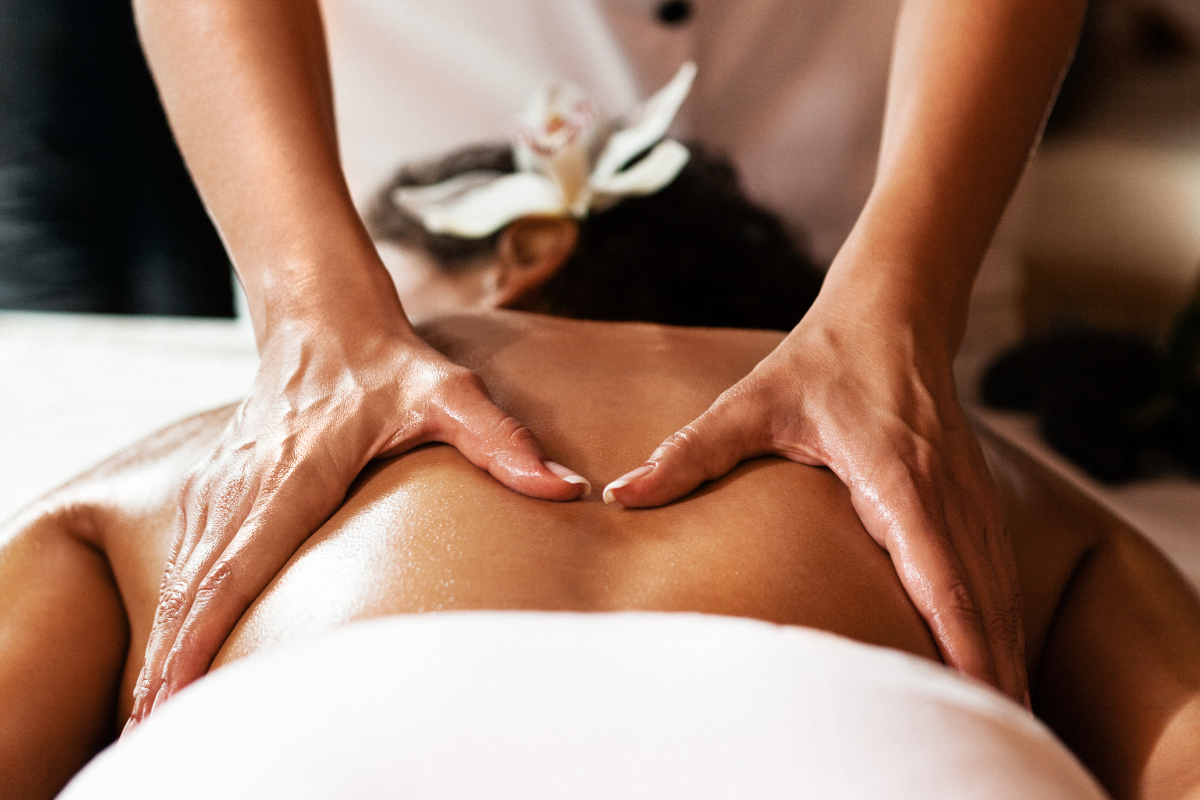
Massage therapy focuses on the therapeutic manipulation of soft tissues to relieve muscular tension, enhance circulation, support relaxation, and promote tissue healing.
Full Body Massage
A comprehensive massage involving systematic manipulation of major muscle groups across the body.
Benefits:
- Promotes deep relaxation
- Reduces generalized muscle tension
- Improves circulation and lymphatic flow
- Enhances overall wellbeing
Deep Tissue Massage
A targeted technique using deeper pressure to address chronic muscle tightness and fascial restrictions.
Benefits:
- Relieves chronic pain and stiffness
- Improves mobility and flexibility
- Breaks down adhesions
- Supports recovery from strain and injury
Partial (Localized) Massage
Massage applied to specific regions such as the neck, shoulders, back, or limbs.
Benefits:
- Provides focused pain relief
- Reduces localized muscle spasm
- Improves circulation in the affected area
Potli (Herbal Pouch) Massage
A traditional therapy using warm herbal pouches applied over the body or affected areas.
Benefits:
- Relieves joint and muscle pain
- Reduces stiffness and inflammation
- Improves circulation
- Promotes relaxation
Salt Glow Oil Massage
A rejuvenating massage combining warm oil with natural mineral salts.
Benefits:
- Enhances skin exfoliation and detoxification
- Improves blood and lymphatic circulation
- Relieves muscular fatigue
- Nourishes and revitalizes the skin
Chiropractic-Based Techniques
Chiropractic care focuses on the diagnosis and manual management of disorders related to the spine, joints, and neuromusculoskeletal system, with particular emphasis on the relationship between spinal alignment and nervous system function. Proper joint mobility and alignment are essential for efficient nerve transmission, movement coordination, and postural stability.
Procedure
Following a detailed assessment of posture, spinal mobility, joint movement, and pain patterns, specific segments of the spine or peripheral joints are gently mobilized or adjusted using controlled, precise manual techniques. Low-force and patient-tolerant methods are commonly employed to restore normal joint mechanics.
Therapeutic Role and Benefits
- Improves spinal and joint mobility
- Reduces nerve compression and irritation
- Enhances posture and biomechanical efficiency
- Alleviates musculoskeletal pain and stiffness
- Supports optimal nervous system function
Chiropractic-based techniques are particularly useful in conditions such as cervical and lumbar spondylosis, low back pain, neck pain, postural disorders, headaches of musculoskeletal origin, and joint dysfunctions.
Osteopathic Manipulative Approaches
Osteopathy is a holistic manual therapy approach based on the principle that structure and function are interrelated, and that the body has an inherent capacity for self-healing when structural balance is restored. Osteopathic techniques address not only bones and joints, but also muscles, fascia, ligaments, and connective tissues.
Procedure
Osteopathic manipulation involves gentle hands-on techniques such as stretching, muscle energy techniques, fascial release, and joint mobilization. These methods are applied in a slow, controlled manner to improve tissue mobility, circulation, and functional integration of body systems.
Therapeutic Role and Benefits
- Restores overall structural harmony
- Improves circulation and lymphatic drainage
- Enhances tissue oxygenation and flexibility
- Reduces musculoskeletal strain and compensatory patterns
- Supports the body’s natural self-regulatory and healing mechanisms
Osteopathic approaches are especially beneficial in chronic pain conditions, postural imbalances, repetitive strain injuries, movement restrictions, and functional disorders where multiple body systems are involved.
Neuromuscular and Nervous System Effects
Manipulative therapy plays a significant role in regulating the nervous system. By reducing excessive muscle tension and improving joint mechanics, it helps shift the body from a state of chronic stress toward parasympathetic dominance. This supports pain modulation, improves sleep quality, and enhances physical and mental relaxation.
Integration with Therapeutic Exercise and Lifestyle Care
For sustained benefits, manipulative therapy is integrated with corrective exercises, posture education, stretching routines, and lifestyle guidance. This holistic approach reduces recurrence, improves functional capacity, and encourages active participation in recovery.
A Safe and Progressive Healing Approach
Manipulative therapy is administered in a controlled and progressive manner. Techniques are adapted based on age, physical condition, pain tolerance, and stage of healing, with an emphasis on long-term correction rather than temporary relief.
Supporting Functional Recovery and Wellbeing
By restoring structural balance and improving movement efficiency, manipulative therapy supports overall wellbeing, enhances daily function, and contributes to an improved quality of life.