
Introduction
Acupuncture and acupressure are complementary therapeutic modalities rooted in Traditional Chinese Medicine (TCM). Both are based on the concept that vital energy, known as Qi, flows through specific pathways in the body called meridians. Disruption or imbalance in this flow may lead to pain, dysfunction, or disease. These therapies aim to restore balance, regulate physiological function, and activate the body’s natural healing mechanisms.
While acupuncture uses fine, sterile needles to stimulate specific points, acupressure employs manual pressure using fingers or palms. Both approaches influence the nervous system, circulation, and musculoskeletal function and are used as part of holistic and integrative care.
Method of Application
Acupuncture
- A detailed clinical assessment is performed to identify the condition and functional imbalance
- Specific acupuncture points are selected based on diagnosis and therapeutic objectives
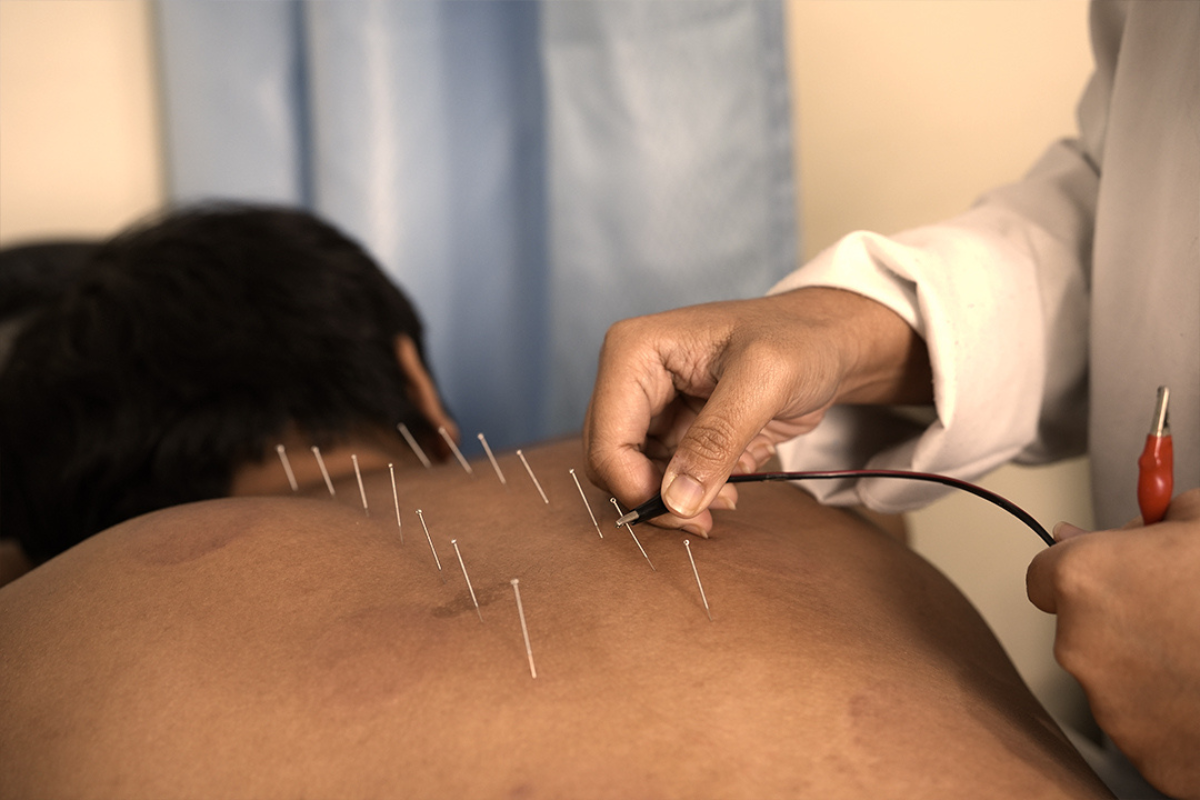
- Fine, single-use, sterile needles are gently inserted into selected points
- Needles are retained for a prescribed duration while the individual rests comfortably
- Mild manual stimulation may be applied as needed
- The procedure is generally painless or minimally uncomfortable when performed correctly
Acupressure
- Relevant acupressure points are identified based on symptoms and condition
- Steady pressure is applied using fingers, thumbs, palms, or knuckles
- Pressure may be static or applied in gentle circular movements
- Treatment may be localized or systemic
- The technique is non-invasive, safe, and relaxing
Therapeutic Benefits
Both acupuncture and acupressure offer a wide range of therapeutic effects, including:
- Reduction of acute and chronic pain
- Relief from muscle tension and spasms
- Improvement in joint mobility and circulation
- Regulation of autonomic nervous system activity
- Reduction in stress, anxiety, and mental fatigue
- Improvement in digestive and metabolic function
- Support for hormonal balance
- Enhancement of immune function
- Improvement in sleep quality and overall wellbeing
Indications
Acupuncture and acupressure are commonly used in the management of:
- Musculoskeletal disorders (neck pain, back pain, arthritis, sciatica)
- Chronic pain conditions and headaches
- Stress-related disorders, anxiety, and insomnia
- Digestive disorders (indigestion, constipation, IBS)
- Respiratory conditions (asthma, allergic rhinitis)
- Menstrual disorders and hormonal imbalances
- Neuropathic pain and functional disorders
- Lifestyle-related conditions and fatigue syndromes
Contraindications and Precautions
Acupuncture
- Severe bleeding disorders or use of anticoagulant medications
- Local skin infections, wounds, or inflammation at needle sites
- Severe needle phobia or inability to cooperate
- Extreme exhaustion or severe debility
- Pregnancy (certain acupuncture points are avoided)
- Severe psychiatric conditions without appropriate supervision
Acupressure
- Acute infections or inflammation at pressure sites
- Open wounds, fractures, or skin lesions
- Severe pain or hypersensitivity at application areas
- High-risk pregnancy (certain points avoided)